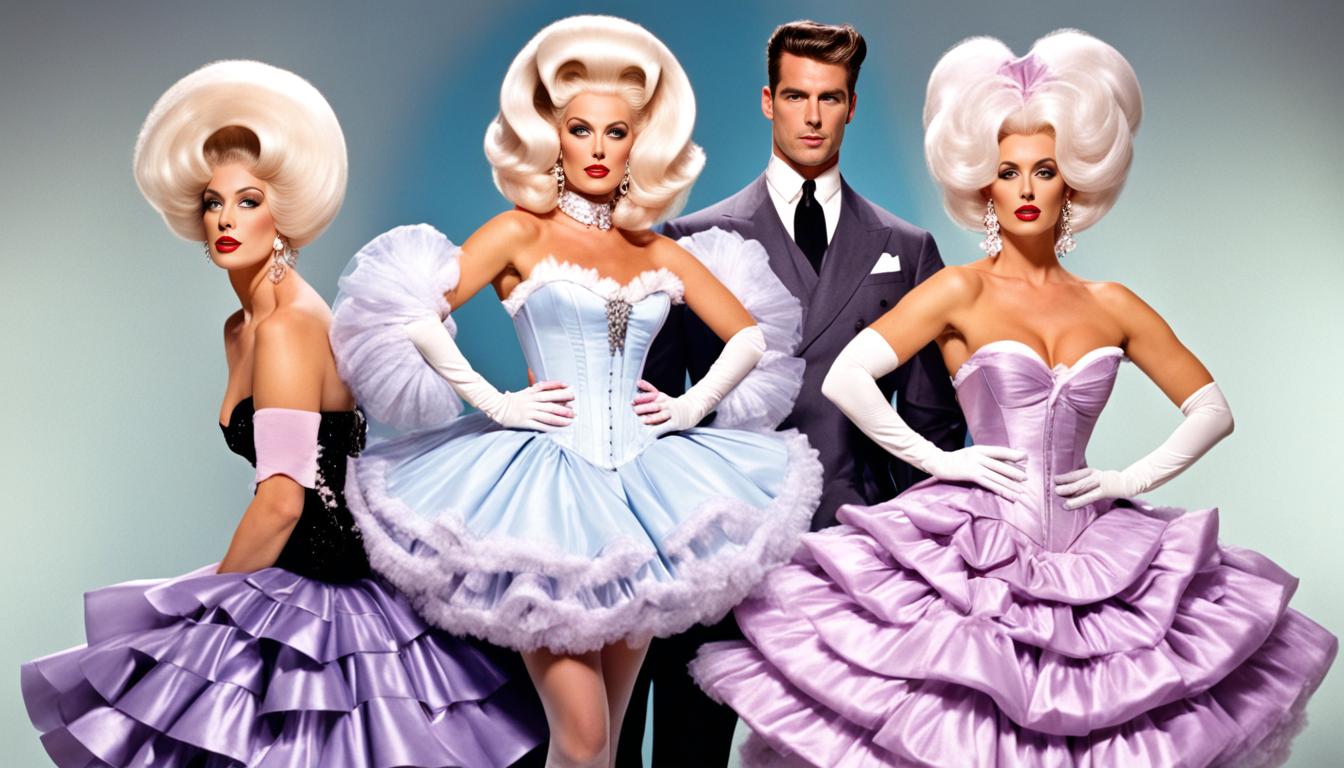
Fashion has always been a world full of creativity and oddness. It has given us some of the most unusual and interesting trends. From huge wigs to makeup made of lead, history is full of strange fashion choices. Get ready to see some of the most odd and weird fashion trends from the past.
Learn about the cultural and social reasons behind these crazy fashion trends. Find out the stories behind these odd clothes. They were once the latest in fashion but now they’re legendary. Let’s dive into the world of unconventional style and explore the most bizarre historical fashion trends.
What Defines Odd Fashion?
Fashion often blurs the line between normal and odd. Odd fashion means clothes, accessories, and hairstyles that are far from the usual. These styles are quirky, whimsical, or even shocking. They challenge our ideas of what’s in fashion.
Exploring the Peculiar and Unconventional
Odd fashion includes things like huge platform shoes and hairstyles that seem to defy gravity. These styles come from many places, like subcultures, beliefs, or political views. They stand out because they make people think and react strongly.
Cultural Influences on Bizarre Styles
What makes odd fashion trends is as varied as the styles themselves. Sometimes, they come from religious beliefs or traditional customs. Other times, they’re a way to express oneself or protest. Knowing why these styles exist helps us understand the society they come from.
Odd fashion’s charm is in its ability to shake things up and offer something new. It can be a statement of personal identity or a reflection of society. These trends keep grabbing our attention and pushing us to see fashion in new ways.
The Puzzling Trend of Chopines
In the 16th and 17th centuries, Europe, especially Italy and Spain, saw a strange fashion trend: chopines. These platform shoes were up to 20 inches tall. They were not just impractical but also showed a unique style that caught the eye of high society.
Chopines started in the Byzantine Empire. There, they were worn by aristocratic women to show their status and wealth. The taller the chopines, the higher the social rank. As they moved to Italy and Spain, they became essential for the fashionable elite, showing off their wealth and status.
Chopines were more than just tall. They were decorated with intricate designs and used luxurious materials like velvet, silk, and precious metals. Because of their design, women often needed servants to help them walk. This made chopines a symbol of exclusivity and privilege.
Many reasons contributed to the popularity of chopines. People wanted to look like nobles and be fascinated by unique shoes from the past. The trend of tall platform shoes, or “chopines fashion,” changed fashion history. It pushed the limits of what was seen as acceptable and desirable in style.
Unusual Facts: Outrageous Powdered Wigs
In the 17th and 18th centuries, Europe saw a big trend with powdered wigs. These wigs were huge and fancy, showing off the era’s love for luxury. Let’s explore how this odd fashion started and why it became so popular.
Origins and Evolution of the Wig Craze
The powdered wig story began in the French court of the 1600s. The elite wanted to stand out from everyone else. So, they started wearing wigs as a sign of wealth and high rank. These wigs were styled with care and powdered to look white.
Soon, powdered wigs were all over Europe. The rich and upper class wore them to show off their status. The wigs got bigger and fancier, with feathers and ornaments. This made the era’s fashion truly unique.

Despite being hard to keep up, powdered wigs stayed popular. They were seen as stylish and classy. But, they were hard to take care of because they attracted bugs and dust.
Still, the powdered wig stayed a big part of high fashion. It shows how people have always loved unique and fancy styles.
Panniers: The Perplexing Wide-Hipped Dresses
In the world of extravagant fashion, the panniers stand out. These wide-hipped dresses were popular in the 17th and 18th centuries. They showed the love for luxury and status back then. Panniers had big silhouettes that went way out on each side. They were both impractical and very fashionable, showing how fashion can be odd.
Impracticality Meets High Fashion
The panniers were a strange fashion trend. These dresses were really wide, sometimes going out a few feet on each side. They showed how much people loved luxury back then. Wearing a pannier was tricky because you had to watch out for doors, furniture, and even how you moved. But, the rich people loved them because they showed off their wealth and status.
The panniers came up during a time of big social and cultural changes. The rich wanted to show off their wealth and power. These dresses were more than just fashion. They were symbols of being high up in society. The more fancy the pannier, the higher the person’s social rank. This love for the fancy and impractical in fashion still fascinates and puzzles fashion experts today.
Codpieces: The Bizarre Accessory of Yore
In the world of odd men’s fashion, the codpiece stands out. It was a key part of the 15th and 16th century look. These items were more than just covers for the genital area. They were symbols of masculinity, wealth, and power.
Codpieces became a symbol of the era’s cultural values. They showed off the wearer’s masculinity and status. Decorated with embroidery, jewels, and even phallic shapes, they made a bold statement.
The codpiece’s design changed over time. It went from being practical to a show of masculinity. This change shows how fashion, culture, and society interact. Looking into the codpiece’s history is a peek into the odd fashion trends of the past.
Today, the codpiece still fascinates us. It shows how fashion keeps changing and how we want to show who we are, even with unusual items.
The Enigmatic Mohawk Hairstyle Revisited
The mohawk hairstyle has a long and mysterious history. It has been around for centuries and has touched different cultures. It started with Native American tribes and later became popular in the punk scene.
From Native American Roots to Punk Culture
The mohawk began with Native American tribes. Warriors and leaders wore it to show strength and identity. It was a bold look for battles and important events.
Later, the mohawk came back in style, this time in the punk scene. In the 1970s, it symbolized rebellion and a break from the norm. Punk fans wore it to show they didn’t follow the crowd.
The mohawk still sends a strong message today. It shows individuality and a refusal to fit in. It’s a mix of Native American and punk culture, still inspiring people to express themselves.

Peculiar Foot Binding Practices
Foot binding was a long-standing practice in China. It was a fashion trend that aimed to make women’s feet look small and delicate. This extreme beauty practice had deep roots in culture and society. It showed how fashion, tradition, and gender norms interacted.
Uncovering the Controversial Tradition
Starting in the 10th century, foot binding, or “lotus feet,” lasted almost a thousand years. It was a sign of high social status and readiness for marriage for Chinese women. Girls as young as 5 or 6 had their feet tightly bound. This caused their toes to break and their feet to shrink to just 3-4 inches long.
This process was very painful. Yet, it was seen as a way to make a woman more beautiful. Small feet were thought to show refinement and elegance.
But, foot binding was also highly controversial. Critics saw it as a form of gender oppression and a human rights violation. Over time, it became linked to the oppression of women. It showed how harmful cultural traditions could put appearance over freedom.
In the 20th century, there were big efforts to stop foot binding. Yet, its legacy still affects how we see cultural traditions, beauty standards, and the link between fashion and social norms.
Corsets: Reshaping Beauty Standards
For centuries, corsets have been a key part of shaping the female form. They changed how we see beauty. These garments, made with great care, changed the way people looked, showing how beauty ideals change over time.
The corset’s story starts in the 16th century with the European aristocracy. It made the waist look smaller and the bust bigger. This look showed wealth, status, and class. Over time, corsets changed, showing different beauty ideals.
Corsets greatly affected how people saw beauty and their bodies. They could be uncomfortable and even harmful, yet people wanted to look a certain way. This led to a narrow view of beauty, affecting women’s self-esteem and body image for years.
Today, the corset’s influence is still seen in fashion and in talks about body positivity. As we learn more about fashion, beauty, and the body, the corset’s history is still interesting and important.
The Odd Allure of Lip Plates
Lip plates are a traditional body modification found in many cultures. They are big, decorative discs put into the lower lip. They show how beauty, identity, and history are linked.
People all over the world, from Africa to South America, wear lip plates. They are also called lip discs or labrets. This tradition goes back to ancient times. It was a sign of status, wealth, and cultural identity.
In some places, the size of a woman’s lip plate showed her marriageability and social rank. Bigger plates meant higher status because they were hard to put in and keep. This trend shaped cultures and challenged what we think of as beauty and self-expression.
Today, lip plates still intrigue and surprise people. They show how unique fashion trends and cultural traditions capture our interest. By looking into their history and cultural importance, we learn more about the stories behind these unusual body modifications.
Embracing the Odd: The Enduring Appeal of Peculiar Fashion
Throughout history, odd fashion trends have caught our eye. They show our love for the unusual and the unexpected. Think about towering powdered wigs or the lead-based makeup of the past. These styles were bold and had deep cultural and historical meanings.
These odd fashion trends challenge what we think and make us curious. Take the towering chopines or the intricate corsets. They let us peek into the past. We see the values, customs, and power dynamics of their times.
These styles have left a lasting mark on fashion. The Mohawk hairstyle, for example, went from Native American roots to punk culture. Lip plates in some societies also capture our attention. These styles show the power of fashion to shape our culture and art.