The natural world is full of amazing examples of evolution’s creativity. Animals have changed in incredible ways to live well in their environments. This article looks at the most unusual and interesting animal adaptations. It shows how nature solves problems and helps animals survive.
The animal kingdom is full of amazing adaptations. These solutions to habitat challenges are truly innovative. For example, the frill-necked lizard can inflate its neck for defense, and the mimic octopus can change its shape to hide.
Looking into these animal adaptations makes us more curious and helps us understand life on Earth better. From tiny tardigrades to the venomous platypus, nature’s creativity is endless. This exploration of animal adaptations reveals fascinating facts and evolutionary wonders.
Bizarre Body Modifications
The natural world is full of amazing creatures, each with their own special ways to survive. Some animals have developed weird body changes that help them defend themselves or live better in their homes. The frill-necked lizard and the hairy frog are great examples of this. They show how nature can make truly amazing physical features.
Frill-necked Lizards: Inflatable Defenses
The frill-necked lizard lives in northern Australia and southern New Guinea. It’s famous for its big, colorful neck frill. When it feels threatened, this lizard can make its frill bigger, looking bigger and scarier to predators. This weird feature helps it look bigger and more powerful, keeping threats away.
The frill is made of cartilage and connects to the lizard’s throat muscles. This lets it puff out and deflate the frill fast, whenever it needs to.
Hairy Frog: Nature’s Punk Rocker
The hairy frog lives in Central Africa and has a weird trick. It can break its own bones and push them through its skin on its feet. This makes sharp “claws” it uses for defense. This odd behavior is a last choice for the frog to fight off predators.
The bones sticking out are covered in thick, hair-like skin. This gives the frog a unique and punk-rock look.
These are just a couple of examples of the weird ways animals have adapted. From inflatable neck frills to self-made claws, nature always surprises us with its creativity.
Unexpected Survival Tactics
In the wild, animals have developed amazing survival tactics that go beyond just their looks. These behaviors and strategies show how creatures solve problems in their world. Let’s look at some of the most interesting ways nature solves problems.
Many animals have unique ways to hunt that surprise us. For example, the mimic octopus can look like many sea creatures, from venomous snakes to lionfish. This lets it sneak up on prey or scare off predators. The platypus also has a special way to hunt, using its bill to find prey hidden in the mud.
Some animals also have complex ways to talk to each other to survive. The frill-necked lizard uses its big neck frill to look scary and send messages to other lizards. This helps them work together, build relationships, and move through their world smartly.
These examples show how adaptable and smart nature’s creatures are. From creative hunting to complex talking, animals keep surprising us with their smartness. They remind us of the amazing things around us.
Unusual Facts: Mind-Boggling Animal Adaptations
The natural world is full of amazing examples of evolution’s creativity. This section looks at some of the most unusual animal adaptations. It shows how nature can solve tough survival challenges in creative ways. Get ready to be amazed by these incredible evolutionary wonders and nature’s odd solutions.
The frill-necked lizard has a unique way to defend itself. It can expand its neck frill dramatically. This helps scare off predators. When threatened, the lizard’s neck frill inflates, making a big display that can even stop humans.
The hairy frog, also called the “punk rocker frog,” is another odd creature. It can break its own bones and use the sharp ends as claws for defense. This shows how nature can create unbelievable adaptations.
From the frill-necked lizard’s inflatable neck to the hairy frog’s bone-breaking skills, these adaptations show nature’s amazing diversity. These examples highlight the incredible ways animals have evolved to survive. They make us wonder at the genius of nature’s solutions.
Camouflage Masters
The natural world is full of amazing examples of animal camouflage. These show how animals have evolved to blend in. From the color-changing chameleon to the mimic octopus, they’ve mastered hiding. They use their skills to avoid predators and catch prey.
Mimic Octopus: The Ultimate Shape-Shifter
The mimic octopus is a wonder of nature, changing its body and behavior to look like many sea creatures. It can look like venomous sea snakes, lionfish, shrimp, starfish, and even flatfish. This helps it confuse and scare off threats.
This shape-shifting shows how well the mimic octopus has adapted over time. It helps it survive in the ocean’s many environments.
The mimic octopus doesn’t just change how it looks; it can also change its skin’s color and texture. This lets it blend into its surroundings perfectly. This skill, developed over millions of years, shows how resilient and clever nature can be.
Extreme Endurance Champions
In nature, some animals have evolved to live in extreme conditions. The tardigrade, or “water bear,” is one such creature. It’s a microscopic marvel known as the toughest creature on Earth.
Tardigrades: Microscopic Indestructible Beings
Tardigrades are tiny, eight-legged animals that are very small. They have amazing adaptations that let them live in places that would kill other animals. They can survive in the Sahara’s heat and the Antarctic’s cold.
They can also survive in extreme conditions by entering a state of suspended animation. This lets them live without water for years. They can even survive in space and without food or oxygen.
Scientists are studying tardigrades to learn how they can survive so much. They hope to find ways to apply this to other areas like medicine and space travel. This could lead to new discoveries that help us survive extreme conditions.
Peculiar Parenting Practices
The natural world is full of amazing examples of unusual animal parenting. Seahorses carry their young in pouches, while male emperor penguins sit on their feet to keep eggs warm. These behaviors show how animals have found creative ways to care for their babies.
One interesting example is the hairy frog. These frogs can break their own bones to make sharp “claws” for defense. This unique ability helps protect their babies from predators. It’s just one way animals have adapted to survive in their environments.

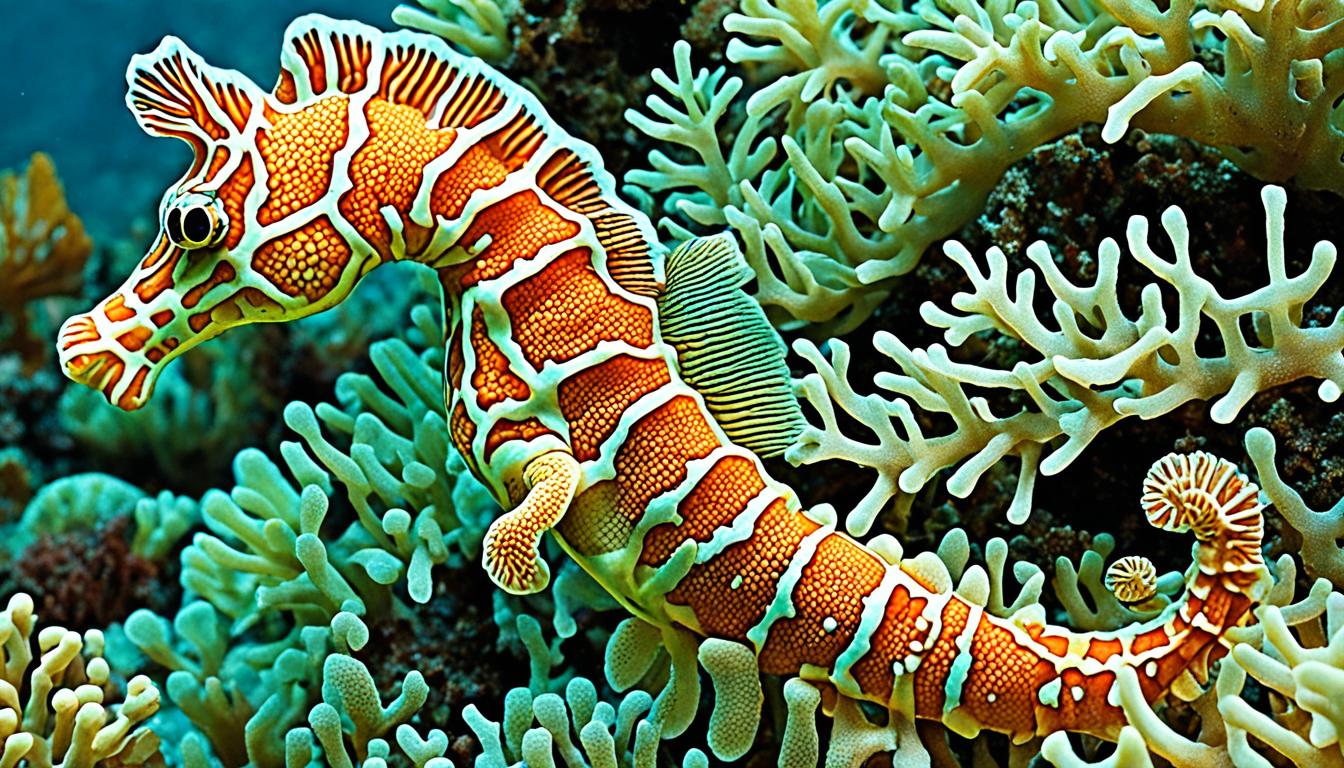
Seahorses are another great example of unique parenting. The male seahorse carries the babies in a special pouch. This lets him protect and feed the young until they’re ready to swim on their own. It’s a clever way nature has found to help seahorses raise their offspring.
Venomous Virtuosos
In nature, some animals have developed amazing defenses to survive. Among these, venomous animals stand out. They have evolved to make powerful venom. The platypus, a unique mammal from Australia, is one of the few venomous mammals.
Platypus: Nature’s Oddball
The platypus is a true wonder of nature. It has features that make it one of the most unusual animals. This creature lays eggs, has a duck bill, and webbed feet. It is also venomous and has traits that make it stand out among mammals.
Male platypuses have a venomous spur on their hind legs. They can sting and cause pain, but it’s not usually deadly to humans.
Platypuses are also known for their amazing abilities. They can live on land and in water. They have a special bill that helps them sense their surroundings. And they have unique ways of reproducing. These nature’s oddities show how diverse and unique animal traits exist in nature. They remind us of the wonders of evolutionary adaptations.
The platypus’s venom is not deadly to humans but helps protect it from predators. This nature’s oddity shows how venomous animals have adapted to their environments. It’s a sign of the incredible evolutionary adaptations that shape life on Earth.
Symbiotic Partnerships
The natural world is full of amazing examples of symbiotic relationships. These are when two or more species work together for mutual benefit. They show how nature works together and the complex connections in the animal kingdom.
Clownfish and Sea Anemones: An Unlikely Alliance
One great example is the partnership between clownfish and sea anemones. These fish, with their bright orange and white stripes, live among the sea anemone’s tentacles. Both species gain from this relationship.
Clownfish have a special mucus that protects them from the anemone’s venomous tentacles. This would be deadly to most fish. As a thank you, the clownfish feed the anemone and stir up the water, bringing nutrients to it. This shows how nature’s creatures can work together for their own good.
The bond between clownfish and sea anemones is truly special. It’s a great example of how species can help each other out. These partnerships show the amazing ways that nature has found to work together over time.
Evolutionary Enigmas
Despite our deep understanding of science, many animal traits and behaviors are still a mystery. The natural world is full of evolutionary adaptations that intrigue and puzzle researchers. These mysteries reveal the wonders of nature and the secrets of animal behavior.
One fascinating example is the frill-necked lizard. It can quickly inflate its neck frill to scare off predators. But how does it control this rapid change? Another puzzle is the hairy frog, which breaks its own bones to make sharp “claws” for defense.

These adaptations challenge our understanding of biology. They show us the mysteries that scientists are still trying to solve. By studying these mysteries, we learn more about the wonders of nature and the secrets of life.
Sensory Superpowers
In the natural world, many animals have senses that are way better than ours. These special abilities let them see and feel their world in ways we can’t even imagine. The mantis shrimp is a great example of this, being a small sea creature with an amazing way of seeing things.
Mantis Shrimp: The Deadliest Punch in Nature
The mantis shrimp has eyes that are truly unique. They can see more colors than any other animal, including us. While we see just three colors, they can see up to 12 different ones. They can also see polarized light, which helps them talk to each other and find food or danger easily.
But that’s not all. The mantis shrimp also has claws that can hit really hard. They can strike at speeds of up to 50 miles per hour. This makes them able to break through the shells of their prey, making them top hunters in the sea. Their amazing senses and skills show how diverse and complex nature can be.
Unorthodox Diets and Feeding Habits
Mother Nature has a way of solving problems in amazing ways. The diets and feeding habits of animals show her creativity. From the Venus flytrap to the vampire bat, many creatures have unique diets and ways of eating.
Some plants, like the pitcher plant, catch and digest insects. This shows how nature adapts and thrives in different ways. The sea turtle eats jellyfish, despite their stinging tentacles, which helps it find food.
Animals like the honey badger and the koala have special diets. The badger eats bee larvae, and the koala only eats eucalyptus leaves. These diets show how animals solve problems and adapt to their homes.